Australia’s Housing Catch-22
Written by: Chloe Teng, Sharon Ding, Shlok Kaushik
Published: 21/09/26
In previous years, the Australian property market has been notorious for being one of the fastest-growing and unaffordable housing markets in the world. However, currently the market is in a complex and unintuitive state: a buyer’s market without buyers.
Australia’s Housing Conundrum
The current state of affairs is best understood with an understanding of recent history in the movement of the market:
Australia saw a brief housing downturn in 2022, when the RBA increased the cash rate by 300 basis points over an eight month period (RBA, 2022). Higher mortgage rates increased homeowner repayments and reduced new borrowing capacity, contributing to an 8.1% fall in combined capital-city dwelling values (AFR, 2026).
However, strong and consistent population growth, continued constrained housing supply, and eventual reductions in the cash rate, contributed to a recovery in house prices through to 2025. By December 2025, national home prices set a record high median price of $880,000 (PropTrack, 2026), 8.8% higher than a year earlier.
Needless to say, the unaffordability of housing has long placed pressure on the Australian government to take measures to aid first-home buyers seeking to enter the housing market.
2026-27 Federal Budget: Housing Tax Reforms
The federal government introduced landmark housing reforms in its 2026-27 Federal Budget. Negative gearing will be limited to newly built homes, and the previous 50% CGT discount will be replaced with inflation indexation, subject to a minimum 30% tax on the gain. The announcement of these reforms have had an immediate impact despite changes only coming into effect in July 2027, alongside broader macroeconomic conditions. Cotality research has found that property prices have already dropped by 6% in the country’s more affordable capital city suburbs as of August, which typically attract first home buyers (Cotality, 2026).
Buyer’s Market Without The Buyers
However despite lower prices, buyer sentiment remains subdued. Cotality's quarterly estimate of home sales in August was 15.5% lower than at the same time a year earlier, while noting listings were accumulating and homes were taking longer to sell. This is indicative of the issue at hand: a buyer’s market with no buyers.
Whilst the factors causing such a predicament are likely numerous and complex, 2 key drivers both play a role: 1) Anticipation of further rate hikes in the future keeping buyers who fear rising borrowing costs on the sidelines; and 2) Falling prices incentivising buyers to delay their purchase until prices fall further.
Impact of Reforms: Trading One Problem For Another?
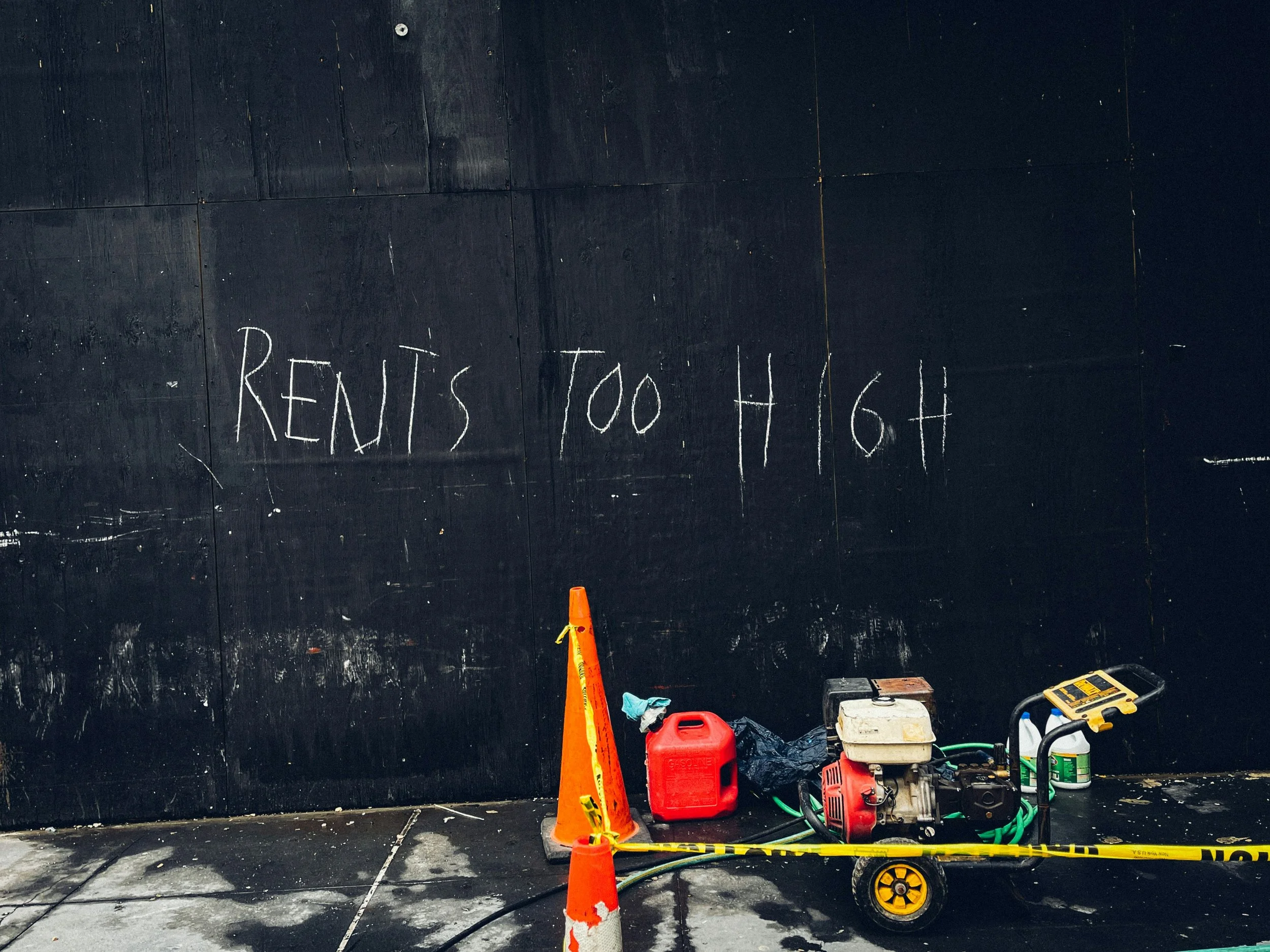
Beyond the immediate price movements, these reforms raise a harder question: are we trading one problem for another?
Limiting negative gearing to new builds and tightening the capital gains discount is designed to tilt the market away from investors and toward owner-occupiers. But investors currently supply a large share of Australia’s rental stock, and if enough of them exit, the number of homes available to rent could fall - just when rental vacancies already remain low by historical standards.
A useful comparison is New Zealand, which in 2021 went further and removed mortgage interest deductibility for existing rental properties altogether. Treasury and Inland Revenue had warned beforehand that the policy was unlikely to meaningfully improve affordability, and would more likely push rents up and shrink the rental pool over time as landlords passed increased tax costs on to tenants.
Indeed, the reform saw average weekly rent levels reach a record national average. By 2024, the change had proven contentious enough that the incoming government moved to restore interest deductibility for landlords, with property groups arguing the original policy had reduced the pool of rental properties available and driven up prices as competition eased.
Australia’s changes are narrower - only newly purchased investment properties lose negative gearing, and new builds are exempted - but the underlying tension is the same one New Zealand ran into: policies aimed at helping buyers can end up squeezing renters instead.
Whether Australia avoids that outcome will likely depend on how much new housing actually gets built to replace the investor stock these reforms are pushing out.
Impact on Young Australians
For young Australians, the housing crisis is more than a trending headline. It directly affects their ability to plan for the future and achieve home ownership. For years, rising property prices have outpaced wages and savings, making the market look vastly different from the one previous generations navigated, and home ownership feel increasingly out of reach.
However, the recent slowdown in the housing market could create a different situation. With prices easing in parts of Australia and buyers gaining more choice and negotiating power, young Australians may have a rare window to enter the market on better terms.
But this opportunity also comes with uncertainty. High borrowing costs, the possibility of further rate rises, and forecasts of continued price falls make timing a genuine dilemma: buy now while competition is lower, or wait for prices to drop further.
Ultimately, the housing crisis highlights why young people need to understand the current climate as a chance to be informed.
Getting pre-approved early to understand true borrowing capacity, and carefully weighing interest rate movements, can help young Australians approach one of the biggest financial decisions of their lives with confidence.